.png)

.png)
How T.Rex changed music forever

Glam rock. A magical era of music. It was a time of free expression, theatricality, and over the top-ness. Some of the best names to ever do it competed to outdo each other over a few short years of the 70’s. It was full of alter ego’s, costumes and just… cool. But who did it first?
Bowie? Slade? Sweet? Well… I think T.Rex can put their hands up for this one. But it wasn’t an easy road for them, and it ended in tragedy. Today, we’re having a look at glam rock’s tragic pioneers.
I love the glam rock era. It cops a bit of flack from some people because it wasn’t afraid to be out there and push peoples buttons.
In an era where these things weren’t well tolerated, bands decided it was a good idea to strut about in flamboyant outfits and dial up the camp. It was a nail varnished middle finger to the status quo: And that’s rock’n’roll, in its own way.
T.Rex - and Marc Bolan - are largely credited with getting it going.
Marc Bolan was born Mark Feld in London, 1947, and was obsessed with music from an early age. By 1965, aged just 18, he’d released his first single.
It didn’t do much, but he’d made a start. And you can hear elements of what he’d go on to sound like later on.
Fun fact: There’s a theory that Bolan is a contraction of Bob Dylan, one of his earliest idols - but it’s not confirmed.
He soon struck up a partnership with Steve ‘Peregrin’ Took, a drummer from London.
The pair named themselves Tyrannosaurus Rex and started playing music around 1967, playing psychedelic folk as an acoustic duo. They quickly started gaining a solid underground following, and in 1968 released their debut album: The wordy ‘My People Were Fair and Had Sky in Their Hair... But Now They’re Content to Wear Stars on Their Brows’.
The album had a great response in the underground scene, striking a chord with its mythical feel and fantasy themes.
This first album also carried a really strong aesthetic.

And combined with Bolan’s mystical, poetic lyrics helped establish the persona he would use well into his glam days - whimsical, carefree and just a bit odd. In a good way.
They kept right ahead, releasing three albums in quick succession:
Prophets, Seers & Sages: The Angels of the Ages, just four months later. Took left after this album to be replaced by Mickey Finn.
Unicorn was released in 1969.
And A Beard of Stars in early 1970. Again with the stars.
They kept up fantasy psychedelia, bringing in more instruments and studio elements as they went, and generally getting a good reception.
They even headlined the first ever Glastonbury.
A Beard of Stars was the first album the Bolan brought in an electric guitar, a change that was widely seen as a positive evolution. He told the Guitarist Magazine in 1970:
“I've been staying down at Eric Clapton's home quite a bit recently and you can't be around Eric and not be influenced."
Staying in some pretty good company then. The introduction of electric guitar took them in a new direction, and the response was positive. The guys took notice, and by the end of 1970 had shortened their name to T.Rex and brought in Steve Currie on bass and Bill Legend on drums. Mickey Finn was still there as a general percussionist.
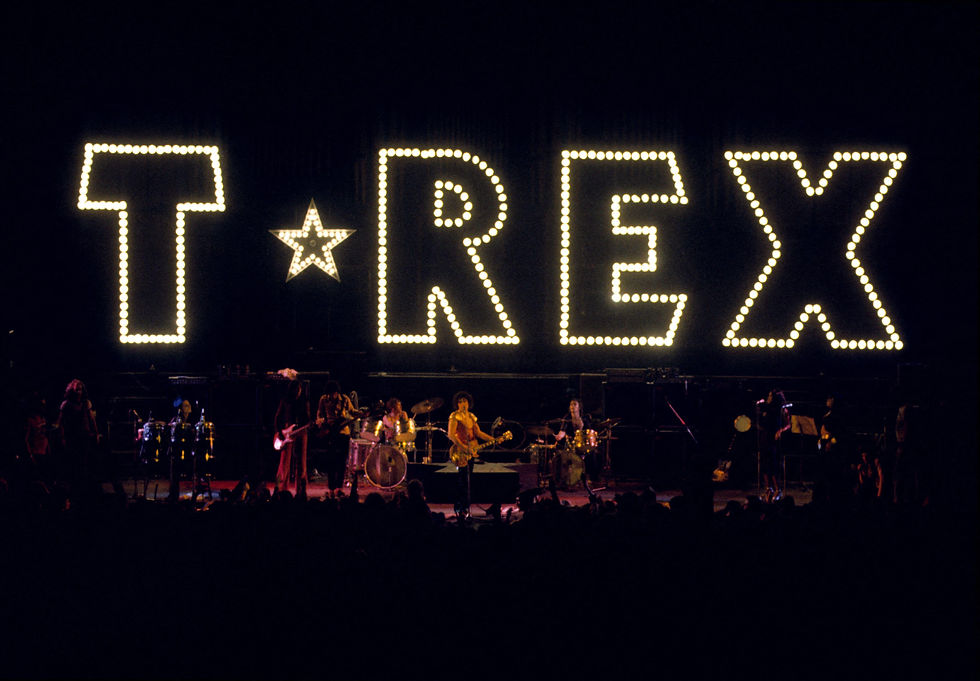
Bolan and producer Tony Visconti had their ears to the ground, and could see that rockier, electric guitar driven music was on the rise. He realised that if they wanted to be successful, they needed to dial up the rock, but also get played on the radio.
So he invented a new genre. As you do.
But he didn’t do it all at once. 1970’s T.Rex kept some of the fantasy, folky themes, but the lyrics and music brought in more rock’n’roll elements. It kind of had a foot in either camp.
Jewel is a great example. It starts off in familiar territory for them.
Before breaking out into a rocker later on with a solo and even… this early attempt at a glam rock yell? It was early days.
They packed a lot into 2:45. But the point is, Bolan was gearing up for what was to come next: Electric Warrior.
Yes, T.rex as we know them had arrived. They threw out the psychedelic stuff, turned up the guitars and had at it. Combined with Bolan’s theatrical vocals and cheeky, evocative lyrics, glam was born.
And they were off. “T.Rexstasy “ swept the globe - that album was No.1 in the UK for 8 weeks, and cracked the US top 40 - a sure measure of success for a British band. Sales were massive, fans were manic, and all of a sudden, Bolan was an idol.
In fact, it was such a trailblazer that everyone jumped on the bandwagon as fast as they could - that’s why there’s debate about who started glam rock.
Sure, Bowie already had his first hit with Space Oddity in ‘69, but that was more down the psychedelic route - just like T.rex at that time. It wasn’t until ‘72, with his Ziggy Stardust persona, that he became a glam icon and helped the scene explode.
That’s just how influential this album was - it influenced Bowie.
Smash hit Children of The Revolution was also dropped as a single in 1972.
By this point, fans and critics held Bolan and T.Rex in a near god-like status. Of course, people questioned his sexuality, as they did so many glam guys.
Elsewhere in the glam rock scene, everyone was constantly fighting to outdo each other, to put their own stamp on it.
Bowie was doing.... Bowie with Ziggy Stardust theatrics and his amazing presence. Slade was getting rowdy with it, and even Alice Cooper was glam of a sort… just much darker.
1973’s Tanx was a bit different. It was still very much T.Rex, but it also brought in more funk and soul elements. It still charted well, hitting No.4, but didn’t produce any hit singles. It had a mixed but mostly positive response.
And then, in 1974, after being a god for a few years and smashing the charts, Bolan decided to mix things up again.
1974’s Zinc Alloy and the Hidden Riders of Tomorrow was.. Not glam, really. It was much more funk and soul. Why?
For one, glam was an extremely short lived bubble. It blew up out of nowhere, became massive for a few years, and by the mid 70’s, popped.
But Bolan was also anxious to avoid being pigeonholed. He wanted freedom to explore, to be creative and innovate.

Also, he was still a savvy guy - he knew he had to evolve if he was going to avoid going down with glam. As glam went down, disco, soul and punk came up.
But fans were gutted. Today’s diehard T.Rex appreciate it as a bold and innovative step - just like they did earlier in their career. At the time, it didn’t work.
The next two albums further experimented with their sound, trying to find a foothold in the changing scene. Bolan’s Zip Gun in ‘75 brought back a bit of the glam, while ‘76’s Futuristic Dragon stepped away again.
In general, T.Rex’s popularity was waning - and the usual success cliches began to have their effect.
Like so many talented musicians, success brought trouble. Bolan fell victim to alcohol and cocaine abuse between ‘73 and ‘76. These habits led to erratic behaviours, creative dips, and mental challenges.
It would later be alleged that Bolan was a deeply insecure soul - obsessed with his image, his success, and his own idea of who he was. When his success faded, combined with the negative effects of drug abuse - it was a very hard time.
His health visibly declined, and those close to him tried to intervene.
Happily, by 1976, he seemed to be recovering. They released I Love to Boogie - one of their greatest hits.
The next year, they released Dandy in the Underworld, which was seen as a comeback album. It was a bit of a mix of everything they’d done before, with some punk elements on tracks like Teen Riot Structure.
Just before that, And then he had a clever idea: Riding the Punk wave without actually being in it.
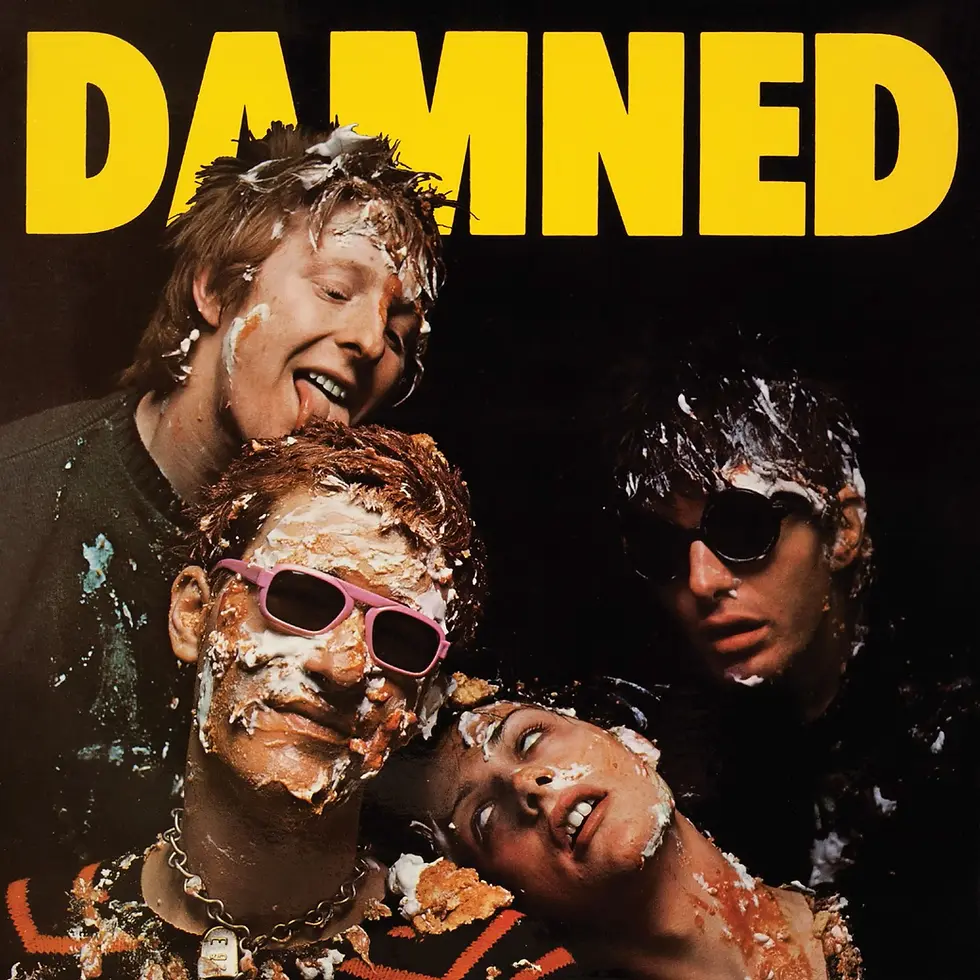
Bolan loved the emerging punk scene, and wanted to find a bridge between punk and T.Rex. So he invited bands like The Damned out on tour with them. This was a risky move. Glam fans and Punks were not going to get along… but they did. It was a masterstroke.
On that tour, there are tales of Bolan running laps to get fit again. It seemed everything was back on track.
T.Rex were recording demo’s for a follow up. Bolan even launched a TV show, Marc, in August, focusing on promoting up and coming bands.
He also used it to relaunch T.Rex in the public eye.
He was a pioneer through and through.
And then....
On September 16, 1977, Bolan's partner accidentally smashed their car into a tree. Bolan was killed instantly, at just 29.
As soon as the resurgence began, it was over. The sudden death sent shockwaves through the music industry. One of rock’s greatest innovators was gone.
And what’s really eerie is that he once reportedly told a former manager that he never learnt to drive due to a fear he’d die in a car crash.
T.Rex ended with Bolan. He was the creative drive, the songwriter, and the constant member.
But like any great person we lose, he’ll never be truly gone - because his music, and his legacy, is still with us. Glam rock was a key phase in the rock history books. It later gave rise to hair metal and glam metal, and we all know how influential that in turn became.
Bolan and that scene gave people permission to dare. He helped set a stage that held some of the greatest acts who ever rocked. The Smiths, The Jam, Billy Idol, even Joan Jett - they all cite T.Rex and Bolan.
And if it wasn’t them, it was glam itself. And all lost in the blink of an eye.
Tragic Pioneers? Absolutely. But Bolan once told the Evening Standard:
“Personally, the prospect of being immortal doesn’t excite me, but the prospect of being a materialistic idol for four years does appeal.”
If you would rather watch these stories than read them, check out my YouTube channel!


Comments